


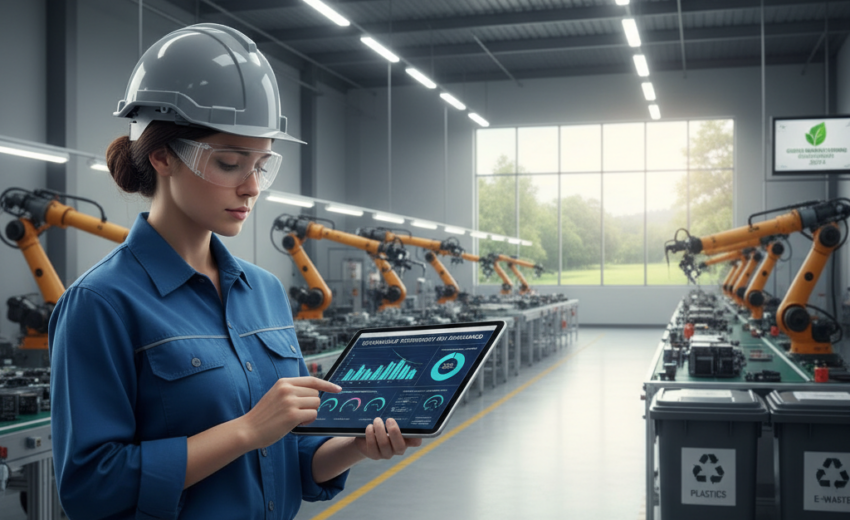
Tired of vague promises about ‘going green’ without seeing tangible financial benefits? Are you struggling to justify green technology investment to stakeholders who only care about the bottom line? This comprehensive analysis cuts through the noise and delivers a data-driven sustainability report on the real-world Sustainable Technology ROI in Manufacturing.
Sustainable Technology ROI in Manufacturing is the measurable financial return (profit or cost savings) resulting from investments in technologies and practices that reduce environmental impact within manufacturing operations. This includes factors like energy efficiency, waste reduction, resource optimization, and carbon footprint reduction, all while maintaining or improving productivity and profitability. It’s about doing well by doing good, but *how well* are we *really* doing?
The Greenwashing Problem: Why Data Matters
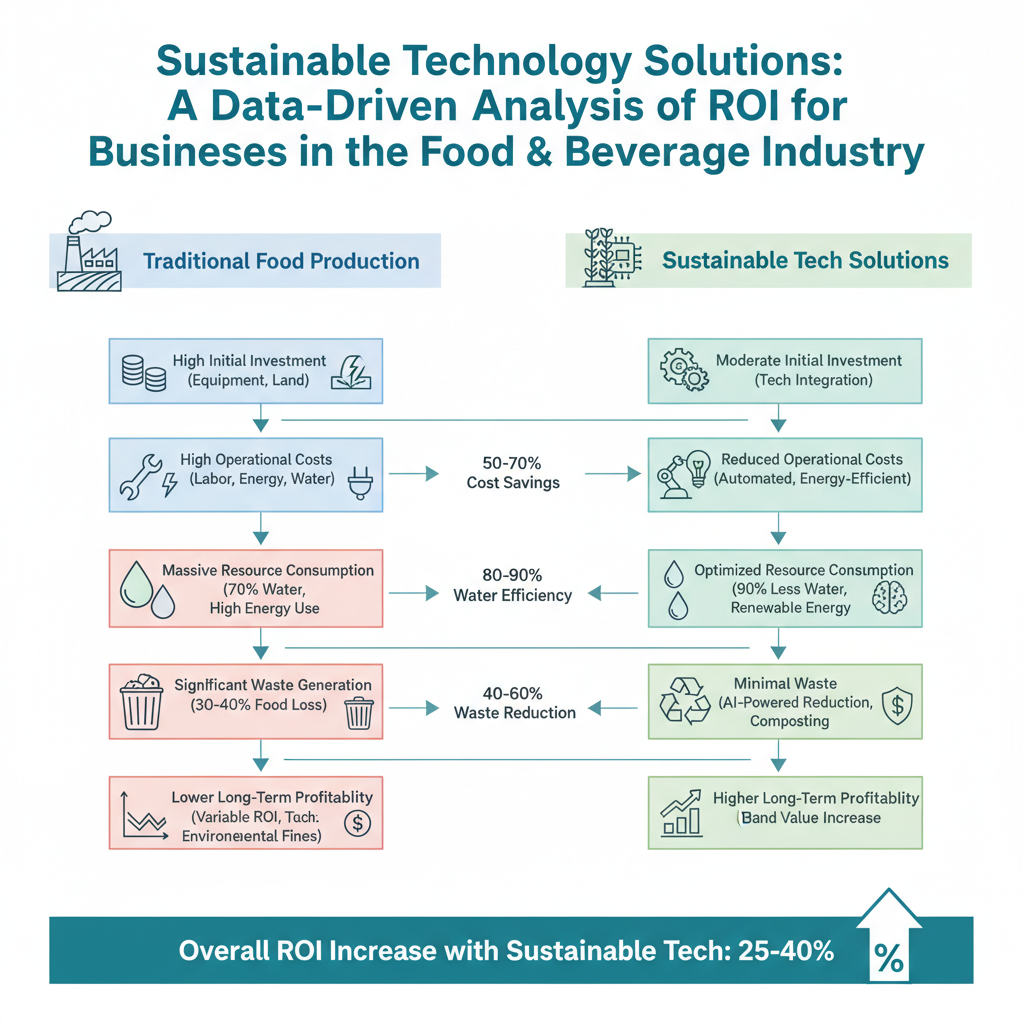
Let’s be honest: the term ‘sustainable’ is often misused. Many companies tout eco-friendly solutions benefits without concrete evidence to back up their claims. This ‘greenwashing’ can mislead investors, customers, and even internal stakeholders. The solution? Rigorous environmental impact assessment and a commitment to transparency.
We need to move beyond feel-good initiatives and focus on technologies that deliver a demonstrable return on investment. This means carefully evaluating the cost savings sustainable tech offers, considering both short-term and long-term impacts, and developing robust metrics for measuring success. What metrics should we be using? How do we ensure they’re accurate and meaningful?
Identifying Key Areas for Sustainable Tech Investment
Manufacturing operations are complex, and the potential for sustainable technology implementation is vast. However, not all investments are created equal. Some areas offer a higher potential ROI than others. Here are some key areas to consider:
- Energy Efficiency: Implementing smart grids, optimizing HVAC systems, and using energy-efficient machinery.
- Waste Reduction: Adopting circular economy strategies, implementing closed-loop manufacturing processes, and utilizing advanced recycling technologies.
- Resource Optimization: Employing predictive maintenance to reduce downtime and waste, optimizing supply chains for reduced transportation emissions, and using water-efficient technologies.
- Renewable Energy Implementation: Investing in solar panels, wind turbines, or other renewable energy sources to power manufacturing facilities.
- Process Optimization: Using AI and machine learning to optimize manufacturing processes, reducing waste and improving efficiency.
But which of these provides the *best* return? It depends on your specific operation, but data is your best friend in making that decision. Let’s delve into some specific examples.
Energy Efficiency: More Than Just LED Lighting
While switching to LED lighting is a good start, true energy efficiency requires a more holistic approach. This includes:
- Advanced Energy Management Systems (EMS): These systems use sensors and data analytics to monitor energy consumption in real-time and identify areas for improvement.
- Variable Frequency Drives (VFDs): VFDs allow you to control the speed of electric motors, reducing energy consumption when full power isn’t needed.
- Heat Recovery Systems: These systems capture waste heat from industrial processes and use it to heat water or other fluids, reducing the need for additional energy.
- Smart Grids: Integrating manufacturing facilities into smart grids allows for better management of energy demand and supply, reducing reliance on fossil fuels.
According to industry experience, implementing a comprehensive EMS can reduce energy consumption by 10-20%, with even greater savings possible in energy-intensive industries. But what about the upfront costs? And how do you choose the right EMS for your needs?
Waste Reduction: Embracing the Circular Economy
The traditional linear ‘take-make-dispose’ model is unsustainable. Circular economy strategies aim to close the loop by reusing, repairing, and recycling materials. In manufacturing, this can involve:
- Design for Disassembly (DfD): Designing products that can be easily disassembled and recycled at the end of their life.
- Closed-Loop Manufacturing: Reusing waste materials as inputs for new products.
- Industrial Symbiosis: Collaborating with other companies to exchange waste materials and energy.
- Advanced Recycling Technologies: Using technologies like chemical recycling to break down complex materials into their raw components.
However, implementing circular economy strategies can be complex and require significant investment. For instance, DfD requires rethinking product design, while closed-loop manufacturing may require new equipment and processes. What are the potential roadblocks, and how can we overcome them?
Data-Driven Decision Making: The Key to Unlocking ROI
The success of any sustainable technology investment hinges on data. You need to collect and analyze data on energy consumption, waste generation, resource utilization, and other key metrics. This data can then be used to:
- Identify areas for improvement: Where are the biggest opportunities for reducing environmental impact?
- Track progress: Are your sustainable technology investments actually delivering the expected results?
- Optimize performance: How can you fine-tune your operations to maximize the ROI of your sustainable technology investments?
- Report on ESG Performance Measurement: Provide transparent and accurate data to stakeholders.
Data analytics tools can play a crucial role in this process. These tools can help you visualize data, identify trends, and predict future performance. But which tools are the best fit for your needs, and how do you ensure that the data is accurate and reliable?
Analyzing the ROI: Case Studies & Data
Let’s look at some concrete examples of how sustainable technology investments can deliver a positive ROI in manufacturing. We’ll focus on three key areas: energy efficiency, waste reduction, and resource optimization.
Case Study 1: Energy Efficiency in Automotive Manufacturing
A leading automotive manufacturer implemented a comprehensive energy efficiency program that included:
- Upgrading to energy-efficient lighting.
- Installing VFDs on electric motors.
- Implementing an advanced EMS.
- Investing in a heat recovery system.
The results were impressive. The manufacturer reduced energy consumption by 15%, resulting in annual cost savings of $2 million. The payback period for the investment was just 3 years. But what about the less quantifiable benefits, such as improved employee morale and enhanced brand reputation?
Case Study 2: Waste Reduction in Food Processing
A food processing company adopted a circular economy approach to waste reduction. This involved:
- Implementing a closed-loop manufacturing process for packaging materials.
- Donating surplus food to local charities.
- Composting organic waste.
The company reduced waste generation by 20%, resulting in annual cost savings of $500,000. In addition, the company improved its brand reputation and attracted environmentally conscious customers. How can other food processing companies replicate this success?
Case Study 3: Resource Optimization in Textile Manufacturing
A textile manufacturer implemented a resource optimization program that included:
- Using water-efficient dyeing technologies.
- Implementing predictive maintenance to reduce downtime.
- Optimizing its supply chain to reduce transportation emissions.
The company reduced water consumption by 30%, reduced downtime by 10%, and reduced transportation emissions by 5%. This resulted in annual cost savings of $750,000. Could these strategies be applied to other resource-intensive industries?
Comparative Analysis: Sustainable Tech Solutions
Choosing the right sustainable technology solutions can be challenging. Here’s a comparative analysis of different options, highlighting their pros and cons.
Energy Efficiency Technologies: A Comparison
| Technology | Pros | Cons | Estimated ROI |
|---|---|---|---|
| LED Lighting | Low cost, easy to implement, long lifespan | Limited energy savings compared to other options | 20-30% energy savings |
| Variable Frequency Drives (VFDs) | Significant energy savings for motor-driven equipment, improved process control | Higher upfront cost, requires specialized expertise | 30-50% energy savings |
| Advanced Energy Management Systems (EMS) | Real-time monitoring and control, data-driven optimization | Complex implementation, requires integration with existing systems | 10-20% energy savings |
| Heat Recovery Systems | Recovers waste heat for other uses, reduces reliance on fossil fuels | High upfront cost, requires careful design and engineering | Variable, depending on application |
Waste Reduction Strategies: A Comparison
| Strategy | Pros | Cons | Estimated ROI |
|---|---|---|---|
| Design for Disassembly (DfD) | Facilitates recycling and reuse, reduces waste disposal costs | Requires significant redesign efforts, may increase manufacturing costs | Variable, depending on product |
| Closed-Loop Manufacturing | Reduces reliance on virgin materials, minimizes waste generation | Requires new equipment and processes, may be challenging to implement | Variable, depending on materials and processes |
| Industrial Symbiosis | Creates new revenue streams, reduces waste disposal costs | Requires collaboration with other companies, may be difficult to find suitable partners | Variable, depending on partnerships |
| Advanced Recycling Technologies | Recycles complex materials, reduces reliance on landfills | High investment costs, may not be economically viable for all materials | Variable, depending on technology and materials |
Common Pitfalls and How to Avoid Them
According to industry experience, implementing sustainable technology solutions is not always smooth sailing. Here are some common pitfalls to watch out for:
- Lack of a clear strategy: Without a well-defined strategy, sustainable technology investments can be haphazard and ineffective. Develop a comprehensive sustainability plan that aligns with your business goals.
- Insufficient data: Data is essential for tracking progress and optimizing performance. Invest in data collection and analysis tools.
- Resistance to change: Implementing sustainable technology solutions often requires changes to existing processes and workflows. Communicate the benefits of these changes to employees and provide adequate training.
- Focusing solely on short-term ROI: Sustainable technology investments often have long-term benefits that are not immediately apparent. Consider the long-term environmental and social impacts of your investments.
- Failing to engage stakeholders: Engage employees, customers, and other stakeholders in your sustainability efforts. Their input can be valuable in identifying opportunities for improvement.
Common implementation pitfalls I’ve seen include underestimating the integration costs of new systems with legacy equipment and a lack of proper training for staff, leading to inefficient operation and ultimately, a lower ROI than projected. A phased implementation approach and comprehensive training programs are crucial for success.
Looking Ahead: The Future of Sustainable Manufacturing
Sustainable manufacturing is not just a trend; it’s the future. As environmental regulations become stricter and consumers become more environmentally conscious, manufacturers will need to embrace sustainable practices to remain competitive. This includes:
- Investing in new technologies: Emerging technologies like AI, machine learning, and blockchain can help manufacturers optimize resource utilization, reduce waste, and improve carbon footprint reduction.
- Collaborating with suppliers: Manufacturers need to work with their suppliers to reduce the environmental impact of their supply chains.
- Adopting new business models: Circular economy business models, such as product-as-a-service, can help manufacturers reduce waste and generate new revenue streams.
The journey towards sustainable manufacturing is a continuous process of learning and improvement. By embracing data-driven decision-making, investing in the right technologies, and engaging stakeholders, manufacturers can unlock the full potential of sustainable business practices and create a more sustainable future. Don’t forget to check out our guide on [Cybersecurity Mesh Architecture: The Ultimate CSMA Guide](cybersecurity-mesh-architecture-csma-guide) for safeguarding your data during this transformation.
And for developers looking to optimize their workflows, see our recommendations on [Developer Tools Mastery: 9 Essentials You NEED Now ⚡️](essential-developer-tools).
Conclusion: Sustainable Technology ROI in Manufacturing is Real – When Done Right
The Sustainable Technology ROI in Manufacturing is not just a pipe dream. With careful planning, data-driven decision-making, and a commitment to continuous improvement, manufacturers can achieve significant financial and environmental benefits. The key is to move beyond greenwashing and focus on technologies that deliver a demonstrable return on investment. The future of manufacturing is sustainable, and the time to invest is now. Consider exploring [AWS re:Invent 2025: A Builder’s Guide to Matt Garman’s Keynote](aws-reinvent-2025-matt-garman-keynote) for insights on cloud-based solutions for sustainability.
FAQ: Your Burning Questions Answered
- What is the biggest barrier to implementing sustainable technology in manufacturing?
- The biggest barrier is often the perceived high upfront cost and the lack of clear ROI data.
- How can I measure the ROI of sustainable technology investments?
- Track key metrics such as energy consumption, waste generation, resource utilization, and carbon emissions. Compare these metrics before and after the implementation of sustainable technologies.
- What are some examples of sustainable technologies that offer a high ROI?
- Energy-efficient lighting, VFDs, advanced energy management systems, and closed-loop manufacturing processes are some examples.
- How can I overcome resistance to change when implementing sustainable technologies?
- Communicate the benefits of sustainable technologies to employees and provide adequate training.
- What role does data play in sustainable manufacturing?
- Data is essential for identifying areas for improvement, tracking progress, and optimizing performance.
- Where can I find more information about sustainable manufacturing practices?
- Industry associations, government agencies, and consulting firms are good sources of information.


05/12/2025