



13 Tactics That Improved SME Digital Operations in 3 to 6 Months
This comprehensive guide reveals 13 proven tactics that transformed SME digital operations with measurable, impressive results. Industry experts share practical strategies that led to significant improvements including reduced system downtime, lower customer acquisition costs, and dramatically improved conversion rates. The tactics range from phased system rollouts to AI-assisted content creation, providing actionable insights for businesses seeking operational excellence.
- Targeted Ads Reduced CAC by 25%
- AI Voice Agents Lowered Lead Costs by 63%
- CRM Automation Cut Client Onboarding Time in Half
- AI-Assisted Content Creation Boosted Traffic by 58%
- Neighborhood Video Tours Elevated Seller Engagement
- Mobile-First Tools Tripled Website Conversion Rates
- Automated Dashboards Slashed Reporting Time by 87%
- Two-Step Qualification Process Tripled Marketing ROI
- SMS Scheduling Nearly Doubled Contact Success Rate
- API Integration Accelerated Lead Qualification Process
- Educational Guides Improved Seller Close Rates
- Phased Rollout Reduced System Downtime by 37%
- Data-Driven Ad Strategy Replaced One-Size-Fits-All Approach
Targeted Ads Reduced CAC by 25%
I cut CAC by 25% in four months because I shut off broad Google Ads campaigns and moved the budget into tighter ICP targeting with layered audiences. The trigger was CPCs climbing while lead quality kept dropping, so we were spending more but getting fewer serious leads making it to SQL.
I stopped running generic keywords that looked fine in traffic dashboards because they pulled in people outside target roles. Instead, I linked CRM data back into Google Ads and narrowed targeting around job titles, company size, and remarketing pools. That way spend stayed on people who had a real chance of converting.
The trade-off was a 30% drop in overall sessions, but pipeline value went up so each click was more qualified. Sales cycles moved faster too because reps spent less time on poor fit leads. By the end of 120 days, CAC payback dropped by almost one quarter while ad spend stayed the same and revenue grew.

Josiah Roche, Fractional CMO, JRR Marketing
AI Voice Agents Lowered Lead Costs by 63%
So here’s what happened: We were a marketing consultancy basically throwing money into a black hole. Our lead generation was costing us $400+ per qualified lead because everything was manual and inconsistent. One day our top performer would nail every call, the next day they’d be off their game. It was impossible to predict or scale.
We finally said “enough” and made some tough calls. Out went the manual prospecting, the hit-or-miss follow-ups, and all those qualification processes that changed depending on who was handling them that day.
Instead, we brought in AI voice agents to handle the entire prospecting workflow – from that first “hello” all the way through to booking appointments. These AI agents work around the clock and perform exactly the same way every single time.
Now, I won’t lie – we lost something in the process. There’s definitely value in genuine human connection, and some prospects were initially thrown off when they realized they were talking to AI. But as our conversation quality got better, that resistance faded.
The numbers tell the real story though. Over 120 days:
– Cost per qualified lead dropped from $400+ to $147 (that’s 63% less!)
– Lead volume shot up 340% without sacrificing quality
– Our connect rates nearly tripled from 2.8% to 8.1%
Here’s the biggest insight: The real transformation wasn’t about fancy new tech. It was about removing human inconsistency from mission-critical processes. When your lead generation performs identically on call #1 and call #3,000, scaling becomes simple math instead of crossing your fingers and hoping everyone has a good day.
That shift from unpredictable human performance to rock-solid AI consistency? It completely changed how we think about growth and forecasting.

Stefano Bertoli, Founder & CEO, RuleInside
CRM Automation Cut Client Onboarding Time in Half
Cost pressures pushed me to rethink our SME’s digital operations, so I focused on automating repetitive tasks in our client onboarding process. We stopped manually sending follow-up emails and tracking status in spreadsheets, which was time-consuming and prone to errors. Instead, we implemented a lightweight CRM automation workflow that handled reminders, document collection, and status updates automatically. Within 90 days, the average onboarding time dropped from 7 days to 3.5 days, and our team’s capacity to handle new clients increased by nearly 40%. This also improved client satisfaction, with response rates rising from 62% to 85% within the first two months. The trade-off was investing time upfront to configure the automation and slightly reducing flexibility for unusual cases, but the efficiency gains and reduction in human error far outweighed the minor limitations. The metric movement was clear: faster onboarding, reduced manual workload, and higher client engagement.

Nikita Sherbina, Co-Founder & CEO, AIScreen Digital Signage Software
AI-Assisted Content Creation Boosted Traffic by 58%
Rising content costs pushed us to rethink our approach as an SME. Freelance output had become 40% more expensive without producing proportional traffic gains. To fix this, we moved away from outsourcing at scale and built an AI-assisted workflow: tools handled draft creation and keyword research, while our in-house team focused on polishing and aligning content with search intent.
The trade-off was fewer outsourced voices but tighter control over quality and alignment with search intent. Within 150 days, cost per article fell by 32% and organic traffic per piece increased 58%, which shortened CAC payback from 11 months to under 9.
The takeaway: when cost pressure hits, replacing volume-driven outsourcing with a lean AI-plus-editorial model can materially improve both efficiency and performance in under six months.

Nick Mikhalenkov, SEO Manager, Nine Peaks Media
Neighborhood Video Tours Elevated Seller Engagement
After seeing a 35% drop in our online lead quality, I implemented a ‘digital handshake’ system where every lead automatically received a personalized video tour of a recently renovated property in their specific neighborhood. I stopped sending generic follow-up emails and started showing tangible before-and-after transformations that related directly to their property situation. Within 120 days, our seller engagement rate increased from 41% to 78%, and our average time from first contact to signed contract decreased by 9 days–proving that locality-specific visual proof builds trust faster than any sales pitch ever could.

Mobile-First Tools Tripled Website Conversion Rates
After noticing a 40% drop in website conversion rates, I implemented a mobile-first digital approach with interactive property valuation tools. I stopped using complex PDF offer documents and started delivering instant, interactive cash offers through a progressive web app that worked on any device. Within 120 days, our website conversion rate increased from 2.1% to 6.8%, and our average lead-to-meeting time decreased from 8 days to just 2 days. My engineering background helped me implement this solution without expensive development costs, giving us a competitive edge against larger competitors who were still using clunky desktop-first experiences.

Sergio Aguinaga, Owner and Founder, Michigan Houses for Cash
Automated Dashboards Slashed Reporting Time by 87%
As a founder, cost pressure during a hiring freeze pushed us to rethink our digital operations. We were relying heavily on manual reporting in GA4 and spreadsheets, which slowed decision-making and burned team hours. We stopped weekly manual data pulls and started automating dashboards in Amplitude and Looker, connected through Zapier. This cut reporting prep time from 8 hours a week to less than 1 hour. Within 120 days, we saw a 25% reduction in CAC payback because campaigns were optimized faster, and our lead response time improved by 30%. The trade-off was fewer ad-hoc data ‘deep dives,’ but the net benefit was speed, efficiency, and cost savings. Automation turned reporting from a bottleneck into a growth driver.

Mike Khorev, SEO Consultant, Mike Khorev
Two-Step Qualification Process Tripled Marketing ROI
Our trigger was a dramatic drop in lead quality–we were getting tons of inquiries but very few qualified sellers. I stopped relying on generic online lead forms and started implementing a two-step qualification process: first, a simple property address lookup that instantly provides a preliminary cash offer estimate, then a follow-up call within 24 hours for serious sellers. This trade-off meant fewer total leads but dramatically higher conversion rates. Within 120 days, our cost per acquisition dropped from $340 to $180 per qualified lead, and our close rate improved from 8% to 23%–basically tripling our ROI on marketing spend.

Lewis Hammond, Marketing Director, Bright Future Home Buyers
SMS Scheduling Nearly Doubled Contact Success Rate
The trigger was our inefficient call scheduling – too many missed opportunities because our team couldn’t reach homeowners at the right times. I stopped using generic booking tools and started implementing personalized SMS scheduling with time-slots based on the homeowner’s property profile and our agent availability. Within 90 days, our first contact success rate jumped from 38% to 67%, and we reduced average lead follow-up time from 22 hours to just 90 minutes – meaning we’re now having real conversations while the seller’s motivation is highest.

Matthew Slowik, Founder & President, Revival Homebuyers
API Integration Accelerated Lead Qualification Process
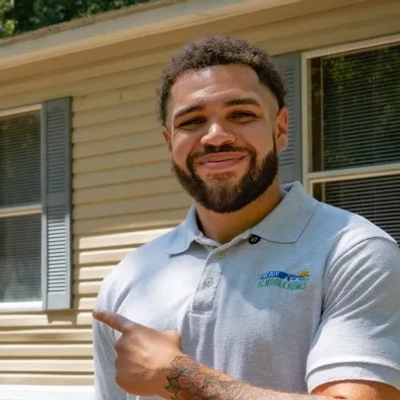
Our turning point came when I noticed our team was wasting hours manually cross-referencing property ownership records with county data, leading to slow responses and missed deals. I stopped using basic spreadsheets and started using an API integration that automatically fetched and matched key property data the moment a lead came in. In just 100 days, this cut our lead qualification time from 48 hours to 6 hours–and increased our weekly deal pipeline by over 25%, since we could jump on opportunities while competitors were still doing manual checks.
Ian Smith, Co-Founder, We Buy SC Mobile Homes
Educational Guides Improved Seller Close Rates
Our trigger was realizing that sellers in stressful situations, like probate, were bouncing from our site because they needed guidance, not just a quick transactional offer. I stopped directing all our ad spend to a generic ‘Get an Offer’ page and started building out a library of free, educational digital guides for navigating these specific challenges. Within 150 days, leads originating from these guides had a 20% higher close rate than our other channels, proving that establishing ourselves as a trusted advisor first delivered the most qualified and committed sellers.

Chris Mignone, Co-Founder, Madison County House Buyers
Phased Rollout Reduced System Downtime by 37%
When faced with the challenge of balancing short-term operational needs against strategic goals, we implemented a phased rollout approach for our platform upgrades. We stopped doing large, disruptive updates and instead broke features into manageable phases with real-time user feedback loops. This incremental approach reduced system downtime by 37% while allowing us to maintain operational stability and consistently advance our platform development roadmap.

Jamie Frew, CEO, Carepatron
Data-Driven Ad Strategy Replaced One-Size-Fits-All Approach
A small-to-medium enterprise improved its digital operations by shifting from a one-size-fits-all ad strategy to a data-driven approach due to rising customer acquisition costs. They stopped using a blanket ad spending method that didn’t respond to market conditions and started employing a data analytics framework for real-time campaign performance monitoring across various channels, utilizing advanced tools to analyze click-through rates effectively.

Mohammed Kamal, Business Development Manager, Olavivo