

Japan’s demographic time bomb – a rapidly aging population – has detonated a dementia crisis. The solution isn’t just more geriatric wards; it’s a radical technological overhaul of dementia care. Stop thinking incremental improvements; consider wholesale system redesign. Let’s dissect how technology can deliver, and where the hype falls short.
Early Detection: AI’s Double-Edged Sword
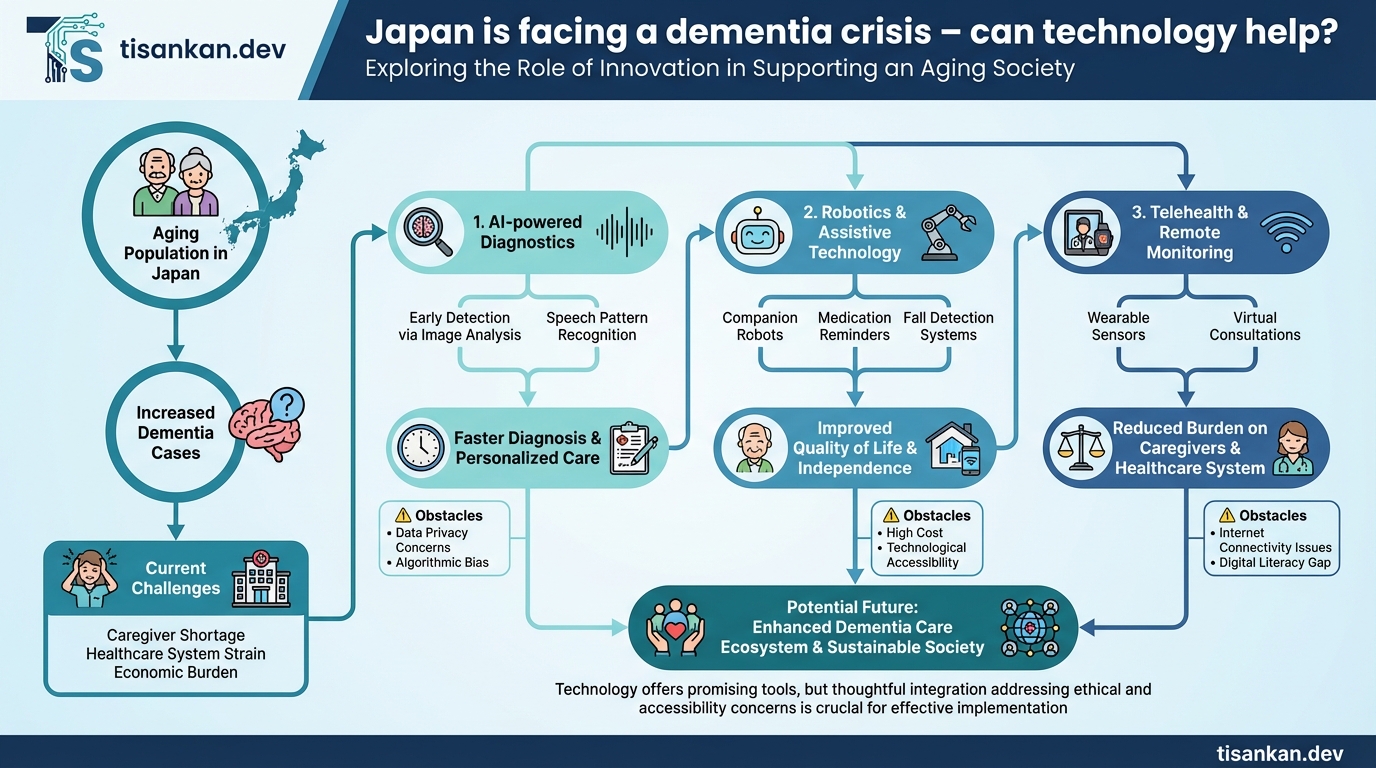
Forget subjective assessments. We need AI-driven diagnostics analyzing brain scans (MRI, PET) and cognitive test results with ruthless efficiency. Current research focuses on Convolutional Neural Networks (CNNs) trained on massive datasets – think 10,000+ scans – to detect subtle atrophy patterns indicative of early-stage Alzheimer’s. The promise? Diagnoses years before clinical symptoms manifest. But beware: these models are only as good as their data. Bias in training data – for example, under-representation of certain ethnic groups or education levels – will lead to skewed results and misdiagnoses. That’s a lawsuit waiting to happen. Furthermore, simply detecting early-stage dementia isn’t enough; what actionable steps can be taken *immediately* following the diagnosis? This is where the AI needs to integrate with personalized intervention plans.
Real-World Scenario: A 68-year-old woman in rural Hokkaido, with limited access to specialists, undergoes a routine cognitive screening at her local clinic. An AI-powered system, analyzing her brain MRI, flags subtle anomalies suggestive of early-stage Alzheimer’s. Instead of a vague “wait and see” approach, the system automatically connects her with a remote neurologist for a detailed consultation and initiates a personalized cognitive training program, all within 48 hours. This rapid response, facilitated by technology, is the paradigm shift we need.
Robotic Caregivers: More Than Just Companions
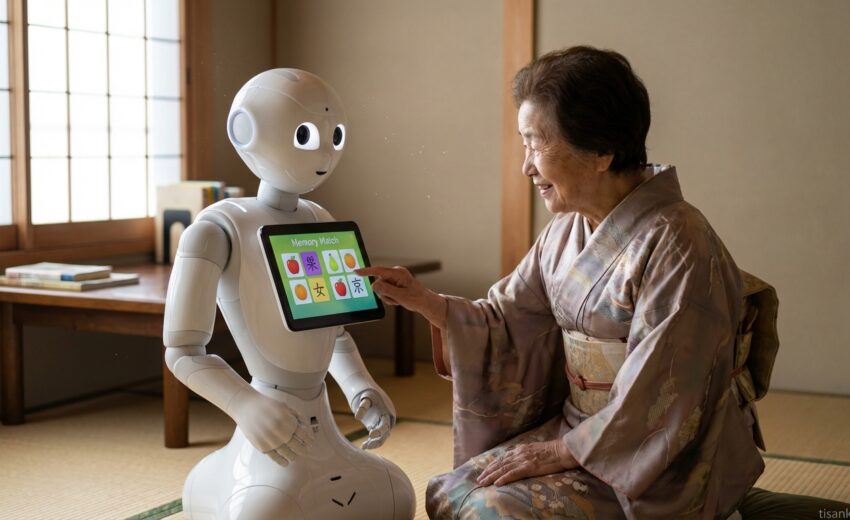
Robots aren’t replacements for human connection, but force multipliers for overworked caregivers. Think beyond cute robotic seals. We need robust, adaptable robots capable of assisting with medication management (precise dispensing and adherence monitoring), mobility support (powered exoskeletons, fall detection and prevention), and even basic hygiene tasks. The key is seamless integration with smart home environments. Imagine a robot that not only reminds a patient to take their medication but also unlocks the medicine cabinet, retrieves the correct dosage, and records the event in a digital health record.
The challenge? Developing robots that are not only technically proficient but also ethically sound and user-friendly. We need to avoid the “uncanny valley” effect – where robots are *almost* human-like, but ultimately unsettling. Furthermore, security is paramount. These robots will be collecting sensitive data; a data breach could have devastating consequences.
Telehealth: Extending Care Beyond the Clinic Walls
Telehealth isn’t just video calls; it’s a comprehensive remote monitoring and intervention platform. Wearable sensors (activity trackers, sleep monitors, ECG sensors) provide a continuous stream of data, allowing clinicians to detect subtle changes in a patient’s condition *before* they escalate into a crisis. This data, combined with AI-powered analytics, can trigger automated interventions – for example, adjusting medication dosages or scheduling a virtual consultation.
The bottleneck? Interoperability. These telehealth systems need to seamlessly integrate with existing electronic health records (EHRs). Furthermore, we need to address the digital divide. Not everyone has access to reliable internet or the skills to use these technologies. Government subsidies and targeted training programs are essential.
Cognitive Training: Gamification with a Purpose
Forget generic brain training apps. We need personalized cognitive training programs that are tailored to the individual’s specific cognitive deficits and interests. These programs should leverage gamification principles to keep patients engaged and motivated. Virtual reality (VR) offers particularly promising opportunities. Imagine a VR simulation that allows patients to practice everyday tasks, such as navigating a grocery store or using public transportation, in a safe and controlled environment. The key is adaptive learning – the program should automatically adjust the difficulty level based on the patient’s performance.
The problem? Proving efficacy. Many cognitive training programs lack rigorous scientific validation. We need large-scale clinical trials to demonstrate that these programs actually slow the progression of dementia and improve quality of life.
Ethical Minefield: Navigating the Risks
The use of technology in dementia care raises profound ethical questions. Data privacy is paramount. Patients must have control over their data and be able to opt out of data collection at any time. Autonomy is another key concern. We need to ensure that technology is used to *empower* patients, not to control them. Bias in AI algorithms is a serious threat. We need to carefully audit these algorithms to ensure that they are fair and equitable.
Real-World Scenario: Consider the use of GPS tracking devices to prevent wandering. While these devices can enhance safety, they also raise concerns about privacy and freedom. A patient may feel like they are being constantly monitored, which can lead to anxiety and resentment. We need to strike a balance between safety and autonomy.
Dementia-Friendly Communities: A Technological Ecosystem
Creating dementia-friendly communities requires a holistic approach that integrates technology into the built environment. Smart home technologies – such as automated lighting, voice-activated assistants, and fall detection systems – can help individuals with dementia maintain their independence for longer. GPS tracking devices can help prevent wandering. Assistive communication devices can help individuals with dementia communicate their needs and desires. The key is to create a seamless and supportive environment that allows individuals with dementia to live with dignity and purpose.
The Future: Integration is Everything
The future of technology in dementia care hinges on integration. We need to integrate AI-powered diagnostics with personalized intervention plans. We need to integrate robotic caregivers with smart home environments. We need to integrate telehealth systems with electronic health records. We need to integrate cognitive training programs with real-world activities. Only by creating a seamless and integrated technological ecosystem can we truly transform dementia care. This requires a national strategy, significant investment, and a willingness to embrace radical innovation. The alternative is a healthcare system overwhelmed by a tsunami of dementia cases. The choice is clear.
FAQ: Japan’s Dementia Crisis and Technology
Can AI *reliably* diagnose dementia early?
AI shows promise, exceeding human accuracy in controlled studies, but validation on diverse populations and integration with actionable treatment plans are crucial before widespread deployment. It’s a powerful tool, but not a crystal ball.
Beyond companionship, how can robots *meaningfully* assist dementia patients?
Robots can manage medication (dispensing, adherence tracking), provide mobility assistance (exoskeletons, fall prevention), and perform basic hygiene tasks, freeing up caregivers for more complex and emotionally demanding activities.
What are the *key* benefits of telehealth for dementia care, beyond convenience?
Telehealth facilitates continuous remote monitoring, enabling early detection of subtle changes in condition and triggering proactive interventions, reducing hospitalizations and improving patient outcomes.
Does digital cognitive training *actually* slow dementia progression, or is it just hype?
While some studies show promise, rigorous scientific validation is lacking. Personalized programs tailored to individual deficits and interests, combined with ongoing support, are essential for maximizing potential benefits.
What are the *most pressing* ethical issues in using technology for dementia care?
Data privacy (protecting sensitive health information), autonomy (ensuring patient choice and control), and algorithmic bias (avoiding discriminatory outcomes) are paramount concerns that demand careful consideration and proactive mitigation strategies.
How can technology *effectively* create dementia-friendly communities, beyond simple gadgets?
Integrating smart home technologies, GPS tracking, and assistive communication devices into a cohesive ecosystem that promotes safety, independence, and social inclusion, while also raising awareness and fostering understanding within the community.