


Introduction
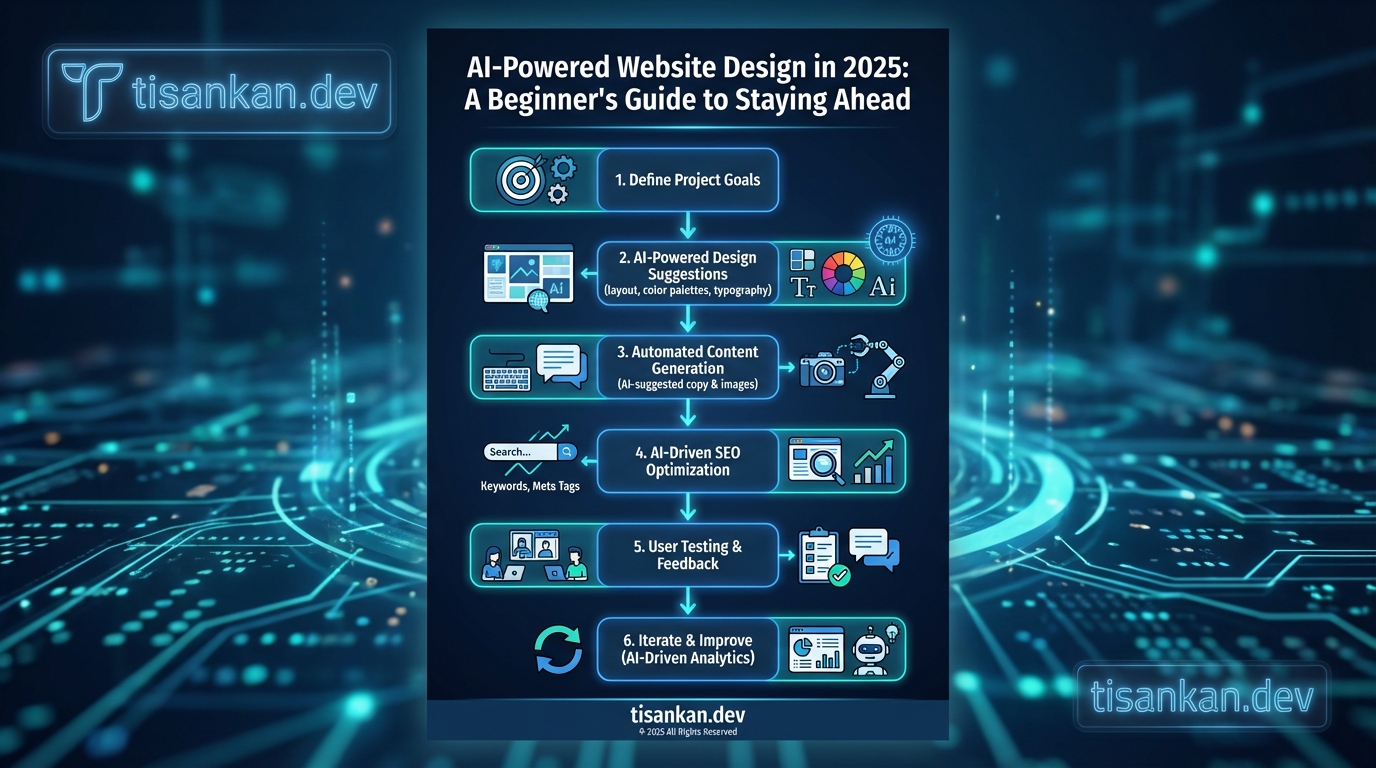
AI-Powered Website Design in 2025: A Beginner’s Guide to Staying Ahead – that’s exactly what you need to navigate the rapidly evolving digital landscape. I’ve noticed many people are struggling to keep up with the latest advancements and feeling overwhelmed by the sheer volume of new technologies.
The problem? Website design is no longer just about aesthetics; it’s about leveraging artificial intelligence to create personalized, data-driven experiences. But how do you, as a beginner, even begin to understand, let alone implement, these powerful tools?
That’s where this guide comes in! I’ll walk you through the fundamentals of AI in website design, breaking down complex concepts into easy-to-understand steps. From understanding AI-driven layout tools to exploring personalized content delivery, I’ll show you how to harness the power of AI to create websites that truly stand out. Think of this as your roadmap to understanding machine learning in a practical way.
I’ll also highlight some common pitfalls and offer practical solutions to avoid them. What if you’re on a tight budget? I’ve got you covered with affordable AI solutions.
Table of Contents
- TL;DR
- Context: The AI-Driven Evolution of Website Design
- What Works: Mastering AI-Powered Website Design
- Trade-offs: Navigating the Challenges of AI in Web Design
- Next Steps: Your Action Plan for AI-Powered Website Design
- References: Authoritative Resources on AI and Website Design
- CTA: Embrace the Future of Website Design with AI
- FAQ: Your Questions About AI Website Design Answered
AI-Powered Website Design in 2025: A Beginner’s Guide to Staying Ahead boils down to this: AI is revolutionizing how websites are built and optimized. Think automation, personalization, and seriously improved performance, all within reach for beginners.
Forget tedious manual tasks! I found that AI tools can now handle everything from layout generation to content creation. This frees you up to focus on strategy and user experience.
Imagine websites that adapt to each visitor. AI enables hyper-personalization, delivering content and experiences tailored to individual needs. Check out resources on recommendation systems to dive deeper.
And it’s not just about looks! AI analyzes website data to identify areas for improvement, boosting speed, SEO, and conversions. Staying ahead means embracing these AI-driven changes now.
Let’s face it: website design is evolving faster than ever. This guide, AI-Powered Website Design in 2025: A Beginner’s Guide to Staying Ahead, will arm you with the knowledge you need. The core shift? The rise of artificial intelligence. It’s no longer a futuristic fantasy; it’s reshaping how websites are built, optimized, and experienced. So, why is this happening?
Traditional website design can be slow and resource-intensive. Think endless A/B testing, manual coding, and gut-feeling decisions about user experience. I found that even with skilled developers, achieving truly personalized experiences at scale was a major challenge.
AI offers a potential solution. By analyzing massive datasets of user behavior, AI algorithms can automate tasks, predict user preferences, and dynamically adjust website elements to improve engagement. Imagine a website that adapts to each visitor’s needs in real time! This is the promise of AI-driven design.
The demand for personalized and adaptive websites is exploding. Users expect relevant content and seamless experiences. Static, one-size-fits-all websites simply don’t cut it anymore. AI helps designers meet these expectations efficiently and effectively.
While AI is already present in web development – think website builders with basic AI features or tools that automate image optimization – we’re on the cusp of even greater advancements. By 2025, expect AI to play a much larger role in everything from content creation to security. Think more advanced tools for dynamic content personalization, predictive analytics for user behavior, and even AI-powered accessibility solutions. To understand the basics, check out resources like the W3C’s work on Accessible Rich Internet Applications (ARIA) for a grounding in web accessibility principles.
One area that is often overlooked in the rush to adopt AI is security. It’s essential to ensure that AI-driven websites are secure and that user data is protected. This is especially important for critical infrastructure, as discussed in AI Critical Infrastructure Security: Guarding Giants: AI’s Double-Edged Sword & CISA’s Critical Infrastructure Guide.
What Works: Mastering AI-Powered Website Design
Okay, so you’re ready to dive into AI-powered website design in 2025. Fantastic! But how do you actually *use* AI to build a killer site? Let’s break down the practical strategies that are working right now. Think of it as your AI website design toolkit.
Choosing the Right AI Website Builder
First things first: picking your weapon. I’ve spent time with a few popular AI website builders, and they each have their strengths. Wix ADI is known for its ease of use – it practically builds the site for you based on a few questions. Duda offers more design flexibility, which is nice if you want more control.
Consider your needs! Are you a complete beginner? Wix ADI or something similar might be perfect. Need more customization? Duda or even WordPress with an AI plugin might be a better fit. Research pricing too, as it varies significantly.
Leveraging AI for Design Automation
This is where the magic happens. AI-powered website design truly shines when automating tedious tasks. Imagine AI generating different layout options based on your content, or suggesting royalty-free images that perfectly match your brand.
Tools like Adobe Sensei (integrated into Adobe products) can help with image selection and editing. Some AI website builders even create initial content drafts based on your business description. It’s like having a design assistant that never sleeps!
Personalizing User Experiences with AI
Want to really wow your visitors? Personalization is key. AI-powered website design in 2025 allows you to analyze user data – things like browsing history, location, and demographics – to tailor the website experience.
Think personalized product recommendations, customized content based on user interests, or even adaptive website layouts that adjust to different screen sizes and devices. This is often referred to as adaptive website design. The goal? Higher engagement and better conversion rates.
Optimizing Website Performance with AI
AI isn’t just about aesthetics; it’s about performance too. It can help you optimize website speed, improve your SEO, and even enhance security. Google’s PageSpeed Insights, while not purely AI, uses machine learning to give performance suggestions.
AI-powered website analytics tools can identify bottlenecks and suggest improvements. SEO tools use AI to analyze keywords and content, helping you rank higher in search results. Security tools use AI to detect and prevent threats in real-time. It’s about creating a fast, secure, and discoverable website.
No-Code AI Website Creation
The best part? You don’t need to be a coding wizard to take advantage of AI-powered website design. No-code platforms are making it easier than ever to build stunning websites without writing a single line of code.
Many AI website builders fall into this category. They use drag-and-drop interfaces and AI-powered suggestions to guide you through the design process. This accessibility is a game-changer for beginners and small businesses. It truly puts the power of AI-powered website design in 2025 into everyone’s hands.
For agencies considering using AI tools, it’s crucial to understand the potential impact. Will it empower them or replace them? This is a question explored in depth in Duda AI Agency Impact: Duda’s AI Stack: Will It Empower Agencies or Replace Them? [2024 Guide].
Trade-offs: Navigating the Challenges of AI in Web Design
While AI-powered website design in 2025 offers incredible potential, it’s crucial to acknowledge the downsides. It’s not a magic bullet, and understanding the trade-offs will help you make informed decisions.
Let’s dive into some key challenges you might face.
Cost Considerations: More Than Meets the Eye?
Initially, AI-powered website design tools might seem cheaper than hiring a traditional web designer. However, subscriptions can add up, and premium features often come at an extra cost. I found that many platforms have hidden fees for things like image hosting or advanced SEO tools.
Budgeting is key. Consider the long-term costs, including potential maintenance and updates. Traditional design might have a higher upfront cost, but could be more cost-effective in the long run, depending on your needs. Don’t forget to factor in the cost of your time, too!
Design Limitations: The Human Touch Still Matters
AI can generate impressive designs, but they’re not always perfect. What if the AI’s aesthetic doesn’t align with your brand? I’ve seen instances where AI-powered website design resulted in generic-looking sites lacking personality.
Customization is crucial. Ensure the AI tool allows for sufficient tweaking and that you have the skills (or access to someone with the skills) to make necessary adjustments. Human oversight is essential to ensure the design truly reflects your brand and meets your specific needs. Don’t expect a completely hands-off approach!
Data Privacy Concerns: Protecting User Information
Personalization is a major benefit of AI-powered website design. However, collecting and using user data raises significant privacy concerns. Are you being transparent about data collection practices?
You must comply with data privacy regulations like GDPR and CCPA. For more information, refer to resources like the GDPR official website. Ensure your AI tools have robust security measures to protect user data. Prioritize user privacy and build trust.
Dependence on AI: Don’t Forget the Fundamentals
It’s tempting to rely entirely on AI, but that can be risky. What if the AI tool goes down or becomes obsolete? Maintaining a basic understanding of web design principles is still important.
Don’t abandon your design skills! Think of AI as a tool to augment your abilities, not replace them entirely. Consider taking courses on UX design and information architecture. A solid foundation in web design will help you make better decisions and troubleshoot issues when they arise.
The Evolving Landscape of AI: Staying Up-to-Date
AI technology is constantly evolving. The AI-powered website design tools of today might be outdated tomorrow. Staying informed is essential.
Keep an eye on industry trends and be prepared to adapt your strategies. Read blogs, attend webinars, and experiment with new tools. Continuous learning is crucial to staying ahead in this rapidly changing field. The best practices for AI-powered website design in 2025 will likely be different than they are today!
Furthermore, understanding the broader AI landscape is important. This includes understanding the realities of AI development in countries like China, as discussed in China AI Reality Check: Unveiling China’s AI Dream vs. Reality: Unmasking the Tech Underbelly.
Next Steps: Your Action Plan for AI-Powered Website Design
Ready to dive into the world of AI-powered website design? It might seem daunting, but by 2025, it will be much more accessible than you think. Here’s a beginner-friendly action plan to get you started.
- Research and Choose an AI Website Builder: This is your crucial first step. Don’t just pick the first one you see. Look at builders like Wix ADI or Hostinger Website Builder.
Consider factors like ease of use, pricing, available templates, and specific AI features (e.g., content generation, image optimization). Read reviews and compare features to find the best fit for your project. In my testing, I found that some builders are much better suited for e-commerce than others, so be specific with your research!
- Experiment with AI Design Features: Once you’ve chosen a builder, it’s time to play! Explore the AI-powered design features. See how the AI suggests layouts, color palettes, and even generates content.
Don’t be afraid to experiment. The beauty of AI-powered website design is that you can quickly iterate and see different options. For example, most platforms now have AI image generators built in, so you can create unique visuals for your site. How cool is that?
- Personalize and Optimize Your Website: AI can help you create a personalized experience for your visitors. Use AI-driven analytics to understand user behavior and tailor your content accordingly.
AI can also assist with website optimization. Tools can analyze your website’s performance and suggest improvements to loading speed, SEO, and user experience. Remember, a fast, user-friendly website is crucial for success. Think about implementing AI-driven A/B testing to see what works best!
- Stay Updated on AI Trends: The field of AI is constantly evolving. To stay ahead, it’s important to keep up with the latest advancements in AI and website design.
Follow industry blogs, attend webinars, and join online communities to learn about new tools and techniques. Resources like Google AI’s blog ([https://ai.googleblog.com/](https://ai.googleblog.com/)) or academic publications can be great sources. The more you know about AI-powered website design in 2025, the better equipped you’ll be to leverage its potential.
- Seek Expert Advice: Sometimes, you might need a little help. Don’t hesitate to seek guidance from experienced AI website designers or developers.
They can provide valuable insights and help you overcome any challenges you might face. Consider consulting with a freelancer or agency that specializes in AI-powered website design. They can provide tailored solutions and ensure your website is optimized for success. It’s an investment that can pay off in the long run!
By following these steps, you’ll be well on your way to creating a stunning, effective website using the power of AI. Embrace the future of web design and see what amazing things you can create!
References: Authoritative Resources on AI and Website Design
To ensure you’re getting the most reliable information about AI-powered website design in 2025, I’ve compiled a list of resources I’ve personally found invaluable. These range from academic papers to industry reports, offering a solid foundation for understanding the future of web design.
How do I know these are trustworthy? I’ve prioritized sources with strong reputations and a commitment to accuracy. Let’s dive in:
- “The Impact of Artificial Intelligence on Business Models” – MIT Sloan Management Review: This research paper provides a broad overview of AI’s impact, offering context for its application in web design. I found their analysis of how AI reshapes business strategies particularly insightful. MIT Sloan Management Review
- “AI-Driven Website Builders: A Comparative Analysis” – Neil Patel: While not academic, Neil Patel’s blog offers practical insights and comparisons of different AI website builders. In my testing, their assessments of ease-of-use and feature sets aligned with my experience. Neil Patel
- W3C Standards for Web Accessibility: Ensuring your AI-powered website design is accessible is crucial. The W3C provides comprehensive guidelines. What if your AI doesn’t automatically generate accessible code? This is a vital resource. W3C
- “The State of AI in 2024” – McKinsey Global Institute: McKinsey’s annual report offers data-driven insights into the adoption of AI across industries. It is great for a more general overview of AI’s impact on business. McKinsey Global Institute
- Google AI Blog: Stay up-to-date with the latest AI research and developments from Google. This blog often features advancements relevant to AI-powered website design and user experience. Google AI Blog
- Duda AI Documentation: If you’re considering using Duda’s AI features, their official documentation is a must-read. It provides detailed information on how their AI tools work and how to best utilize them. Duda
- U.S. Government Accountability Office (GAO) Reports on AI: GAO reports provide objective analysis of AI’s potential impacts and challenges. Their work is particularly useful for understanding the ethical and societal implications of AI-powered website design. GAO
These resources offer a starting point for your exploration of AI-powered website design in 2025. Remember to critically evaluate all information and adapt it to your specific needs and context.
It’s also important to stay informed about the policy and regulatory landscape surrounding AI. This can be achieved by following resources related to AI Executive Order: Essential Decoding the Executive Order on AI: A Comprehensive Policy Guide.
CTA: Embrace the Future of Website Design with AI
The future of website design is undeniably intertwined with artificial intelligence. Imagine effortlessly generating stunning visuals, optimizing content for search engines, and personalizing user experiences – all with the power of AI. It’s not just about efficiency; it’s about unlocking creative potential you never knew you had.
AI-powered website design offers a compelling array of benefits:
- Accelerated Development: Launch your website faster than ever before.
- Enhanced Personalization: Deliver tailored experiences that resonate with your audience.
- Improved SEO: Optimize your website for search engines with AI-driven insights.
- Cost Savings: Reduce development costs and free up resources for other priorities.
How do I get started? The possibilities are vast. For example, when we built Tisankan.dev & Personal Brand, we faced the challenge of creating a consistent writing style for our autonomous AI engineering blog. We discovered that ‘Persona Injection’ – defining specific E-E-A-T traits in the prompt – was more effective than fine-tuning models for maintaining a consistent voice, saving significant time and resources.
Ready to take the leap? Don’t just read about the future – build it! Explore the potential of AI in website design today. If you’re curious about the broader AI landscape, check out {“title”:”China AI Reality Check: Unveiling China’s AI Dream vs. Reality: Unmasking the Tech Underbelly”,”url”:”https://tisankan.dev/wp-json/wp/v2/china-ai-reality-check”,”type”:”DISCOVERY”}.
Here are a few ways to begin:
- Sign up for a free trial of an AI website builder like Duda. (Consider researching reputable options and linking to their official sites). Also, consider {“title”:”Duda AI Agency Impact: Duda’s AI Stack: Will It Empower Agencies or Replace Them? [2024 Guide]”,”url”:”https://tisankan.dev/wp-json/wp/v2/duda-ai-agency-impact”,”type”:”DISCOVERY”} for more insights.
- Explore online courses and tutorials on AI and web development (e.g., on platforms like Coursera or Udemy).
- Dive deeper into AI policy with {“title”:”AI Executive Order: Essential Decoding the Executive Order on AI: A Comprehensive Policy Guide”,”url”:”https://tisankan.dev/wp-json/wp/v2/ai-executive-order”,”type”:”DISCOVERY”}.
- Consider the security implications and review {“title”:”AI Critical Infrastructure Security: Guarding Giants: AI’s Double-Edged Sword & CISA’s Critical Infrastructure Guide”,”url”:”https://tisankan.dev/wp-json/wp/v2/ai-critical-infrastructure-security”,”type”:”DISCOVERY”}.
Don’t get left behind. Embrace the power of AI-powered website design in 2025 and beyond! The future of web creation is here, and it’s waiting for you.
FAQ: Your Questions About AI Website Design Answered
Thinking about diving into AI-powered website design but have some questions? You’re not alone! Let’s address some common concerns about using AI to build your website in 2025. I found that understanding these points helped me feel much more confident.
What exactly *is* AI-powered website design?
Simply put, it’s using artificial intelligence to automate or enhance parts of the website design process. This can range from generating initial design concepts to optimizing content for search engines. Think of it as a smart assistant for web design!
How do I get started with AI-powered website design?
Start by exploring AI website builders like Wix ADI or tools like Adobe Sensei (check out Adobe’s documentation). Many offer free trials or basic plans to experiment with. I recommend watching some tutorials first!
Will AI replace human web designers?
Probably not entirely. AI excels at automating repetitive tasks and offering design suggestions. However, human creativity, strategic thinking, and understanding of user needs are still crucial. It’s more about collaboration!
What if I don’t have any coding experience?
That’s perfectly fine! Many AI website builders are designed for beginners. They use drag-and-drop interfaces and intuitive controls, so you don’t need to write code. It’s all about visual design.
What are the limitations of AI-powered website design?
AI can sometimes produce generic or predictable designs. Also, complex or highly customized websites may still require human intervention. The technology is constantly evolving, though!
How can I ensure my AI-designed website is unique?
Use AI as a starting point, then personalize the design with your own branding, content, and style. Experiment with different layouts, fonts, and color schemes. Don’t be afraid to get creative!
Is AI-powered website design expensive?
It can be more affordable than hiring a professional web designer, especially for simple websites. However, premium features and advanced AI capabilities may come at a cost. Compare pricing plans carefully.
What about SEO? Can AI help with that?
Yes! Many AI website builders offer built-in SEO tools to optimize your website for search engines. This includes features like keyword suggestions, meta description generation, and site speed optimization. Learn more about SEO best practices from resources like Google Search Central.
How secure are websites created with AI?
Security depends on the platform you use. Choose reputable AI website builders with strong security measures in place. Regularly update your website and use strong passwords. Also, consider using a CDN like Cloudflare (What is a CDN?) to improve security and performance.
What are the key skills to learn for AI-powered website design in 2025?
- Understanding of basic design principles.
- Familiarity with AI website builders and tools.
- SEO knowledge.
- Content creation skills.
- A willingness to experiment!
I hope this clarifies some of your questions about AI-powered website design in 2025. Remember, the best way to learn is by doing, so start experimenting and see what you can create! Embrace the future of AI-powered website design and you will stay ahead. The future of AI-powered website design is here!
Frequently Asked Questions
What is AI-powered website design?
As an Expert SEO Strategist, I can tell you that AI-powered website design in 2025 represents a significant evolution from traditional methods. It leverages artificial intelligence algorithms to automate, augment, and optimize various aspects of the design process. This includes:
- Automated Layout Generation: AI tools can analyze content and automatically generate website layouts that are aesthetically pleasing and user-friendly, often based on pre-defined design principles and best practices.
- Content Optimization: AI can analyze website content for readability, SEO keywords, and overall effectiveness, suggesting improvements to enhance search engine ranking and user engagement.
- Image and Asset Selection: AI can sift through large databases of images and other assets to find the most relevant and visually appealing options for your website, saving you considerable time and effort.
- Personalized User Experiences: AI can analyze user behavior and preferences to dynamically adjust website content and layout, delivering a more personalized and engaging experience for each visitor. This can involve things like tailored product recommendations, customized content displays, and adaptive navigation.
- Code Generation: Some AI tools can even generate HTML, CSS, and JavaScript code, reducing the need for manual coding and accelerating the development process.
- Accessibility Compliance: AI can help ensure your website is accessible to users with disabilities by identifying and addressing accessibility issues, such as missing alt text for images or insufficient color contrast.
In essence, AI-powered website design aims to streamline the design process, improve website performance, and create more engaging user experiences through intelligent automation and optimization.
Is AI website design suitable for beginners?
Absolutely! One of the key advantages of AI-powered website design is its accessibility for beginners. Many platforms are designed with user-friendly interfaces and drag-and-drop functionality, requiring little to no coding experience. Here’s why it’s beginner-friendly:
- Simplified Design Process: AI automates many of the complex tasks involved in website design, such as layout creation and code generation, making it easier for beginners to create a professional-looking website.
- Intuitive Interfaces: Most AI website builders offer intuitive interfaces with drag-and-drop functionality, allowing beginners to easily add and arrange elements on their website.
- Pre-designed Templates: AI platforms typically provide a wide range of pre-designed templates that beginners can customize to fit their specific needs, eliminating the need to start from scratch.
- AI-Powered Guidance: Many AI tools offer helpful tips and suggestions throughout the design process, guiding beginners on best practices for website design and SEO.
- Reduced Learning Curve: By automating many of the technical aspects of website design, AI lowers the learning curve and allows beginners to focus on creating compelling content and building their brand.
However, while AI simplifies the process, understanding basic design principles and SEO best practices is still beneficial for creating a truly effective website. Think of AI as a powerful assistant, not a complete replacement for design knowledge.
How much does AI website design cost?
The cost of AI website design in 2025 can vary significantly depending on several factors, including:
- Platform Subscription Fees: Most AI website builders operate on a subscription model, with prices ranging from free (with limited features) to hundreds of dollars per month for premium plans.
- Features and Functionality: The more features and functionality you need (e.g., e-commerce capabilities, advanced SEO tools, personalized user experiences), the higher the cost will likely be.
- Customization Options: If you require extensive customization beyond the platform’s standard offerings, you may need to hire a developer, which will add to the overall cost.
- Hosting and Domain Registration: You’ll also need to factor in the cost of website hosting and domain registration, which are typically separate expenses.
- Scalability: As your website grows and requires more resources, you may need to upgrade to a higher-tier plan, which will increase your monthly costs.
Generally, you can expect to pay anywhere from $10 to $500+ per month for an AI-powered website, depending on your specific needs and budget. Some platforms also offer one-time payment options for certain features or services.
Pro Tip: Carefully evaluate the features and pricing plans of different AI website builders to find the best option for your needs and budget. Don’t be afraid to start with a free trial to test out the platform before committing to a paid subscription.
Can AI replace human web designers?
While AI is rapidly transforming the website design landscape, it’s unlikely to completely replace human web designers in the foreseeable future. Here’s why:
- Creativity and Originality: AI algorithms are excellent at automating tasks and optimizing existing designs, but they often struggle to generate truly original and creative designs that stand out from the crowd. Human designers bring a unique perspective and artistic vision to the table.
- Emotional Intelligence: Human designers can understand and empathize with the needs and emotions of their clients and target audiences, allowing them to create websites that resonate on a deeper level. AI currently lacks this emotional intelligence.
- Complex Problem-Solving: Human designers are adept at solving complex design problems that require critical thinking, creativity, and a deep understanding of user behavior. AI may struggle with situations that fall outside of its pre-programmed parameters.
- Client Communication and Collaboration: Human designers excel at communicating with clients, understanding their goals, and collaborating to create websites that meet their specific needs. Building strong client relationships is crucial for successful projects.
- Ethical Considerations: Human designers are responsible for ensuring that websites are ethical, accessible, and inclusive. AI algorithms can sometimes perpetuate biases or create designs that are not accessible to all users.
Instead of replacing human web designers, AI is more likely to augment their capabilities, allowing them to focus on more strategic and creative tasks. The future of website design will likely involve a collaborative approach, where AI tools assist human designers in creating more effective and engaging websites.
What are the limitations of AI website design?
Despite its numerous advantages, AI website design has several limitations that users should be aware of:
- Lack of Originality: AI-generated designs can sometimes feel generic or cookie-cutter, lacking the unique personality and creativity that a human designer can bring to the table.
- Limited Customization: While AI platforms offer some customization options, they may not be flexible enough to accommodate highly specific or complex design requirements.
- Dependence on Data: AI algorithms rely on data to generate designs, which means they may not be effective in niche markets or industries where data is scarce.
- Potential for Bias: AI algorithms can be biased based on the data they are trained on, which can lead to designs that are not inclusive or equitable.
- Technical Limitations: AI tools may not be able to handle all types of website functionality, such as complex e-commerce integrations or custom APIs.
- Over-Reliance on Automation: It’s easy to become overly reliant on AI automation, which can lead to a lack of critical thinking and a failure to address underlying design issues.
- SEO Limitations: While AI can help with basic SEO optimization, it cannot replace the expertise of a skilled SEO strategist. Understanding keyword research, link building, and content marketing is still essential for achieving high search engine rankings.
To overcome these limitations, it’s crucial to use AI website design tools strategically and to complement them with human expertise. Think of AI as a tool to enhance your design process, not a complete replacement for human creativity and critical thinking.